Jun 26, 2026Inflatable Knowledge
The Ultimate Guide to Buying and Sourcing Bounce Houses
Are you looking to start an inflatable rental business, or do you want to upgrade your backyard with a professional-grade bounce house ? The market for inflatables in the United States is booming, bu
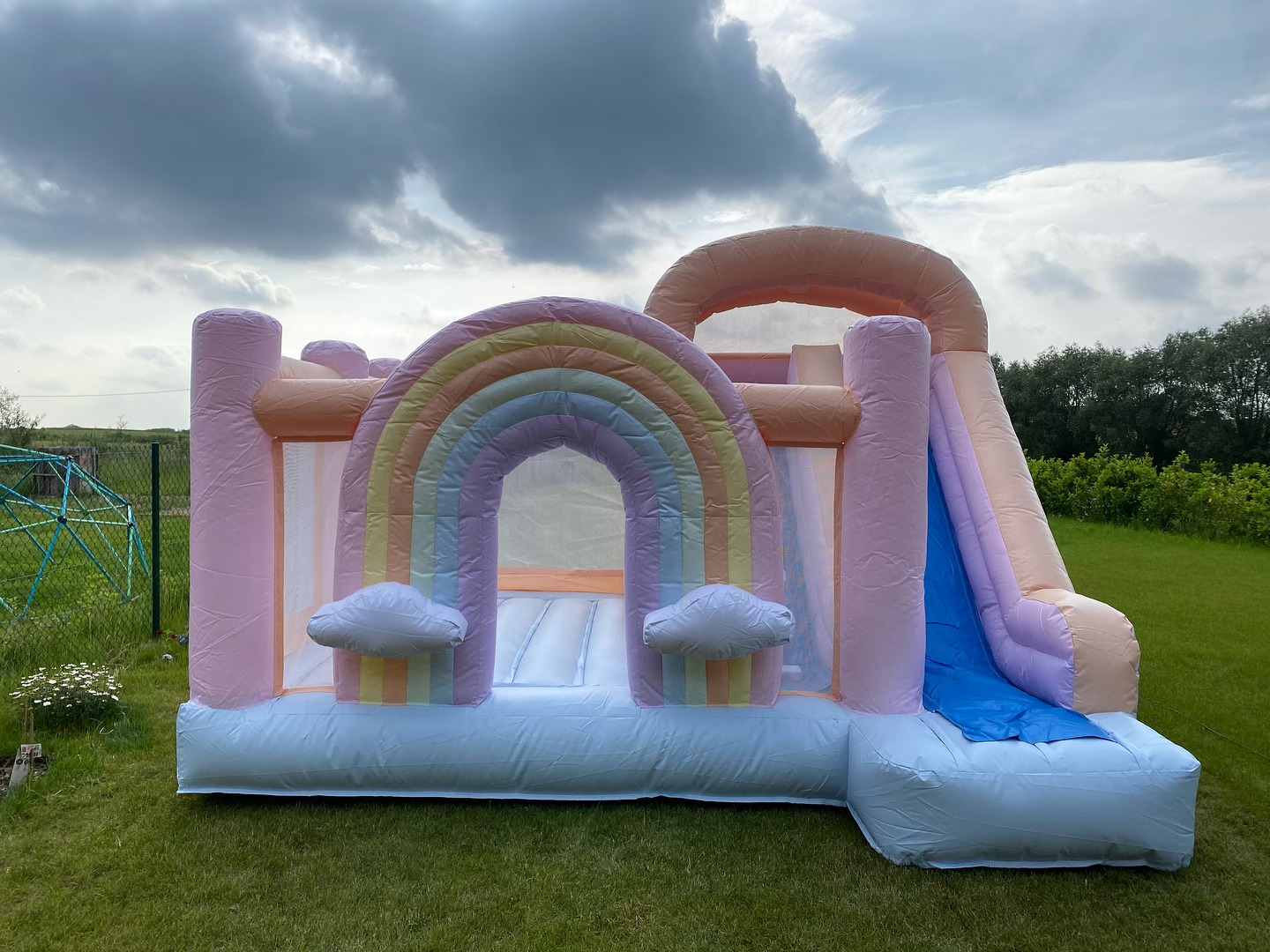
Are you looking to start an inflatable rental business, or do you want to upgrade your backyard with a professional-grade bounce house? The market for inflatables in the United States is booming, but finding the right product—especially when importing—can be a challenge.
In this comprehensive guide, we will break down everything you need to know about choosing, sourcing, and maintaining a bounce house that meets US safety standards and delivers the best value for your money.
What is a Bounce House?
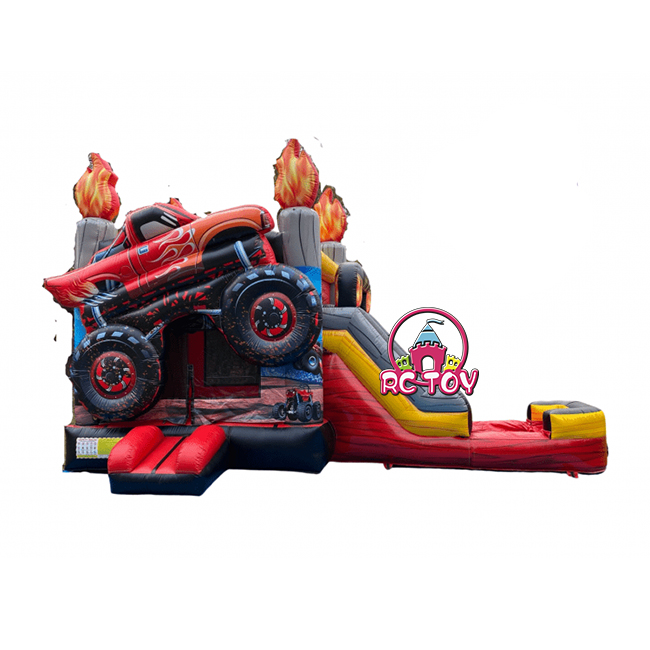
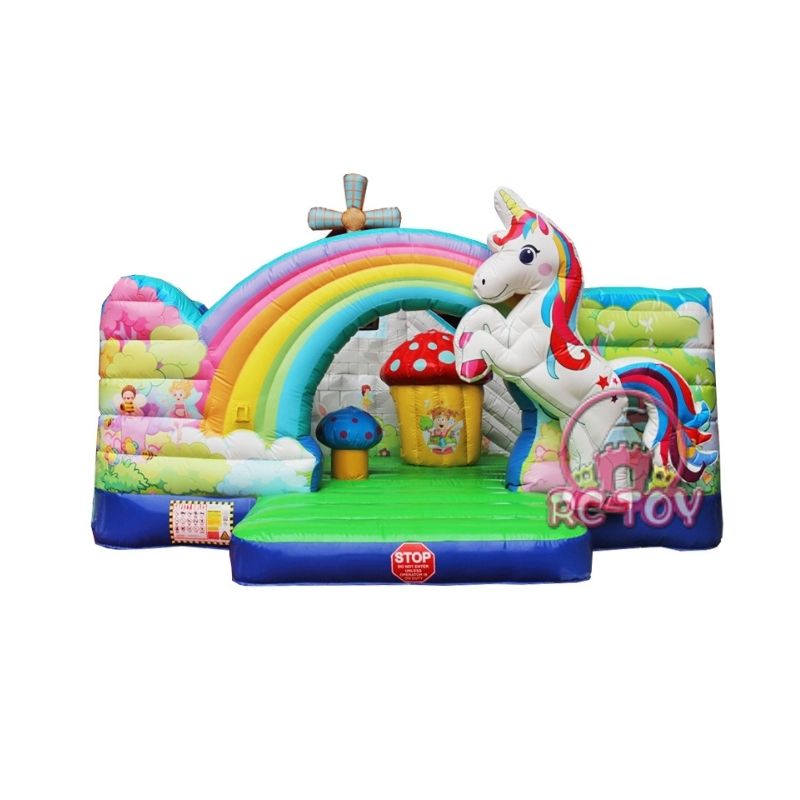
A bounce house(also known as a bouncy castle, moonwalk, or jumper) is a large, inflatable structure used for recreation. Made from heavy-duty fabrics like PVC or nylon, these structures are kept inflated by a constant-flow air blower.
While they started as simple jumping areas for children, modern bounce houses have evolved into complex entertainment hubs used at birthday parties, school carnivals, and corporate events across the United States.
Popular Types and Models of Bounce Houses
When sourcing a bounce house, you must first identify your target use case. Here are the most popular models currently trending in the US market:
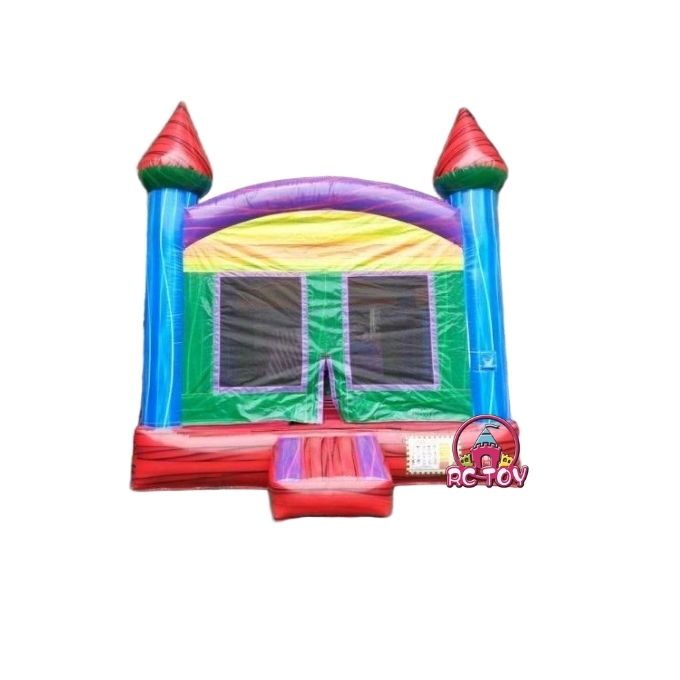
1. Standard Inflatable Bouncers
The classic "castle" design. These are square or rectangular and focus purely on the jumping experience. They are the most affordable and easiest to set up.
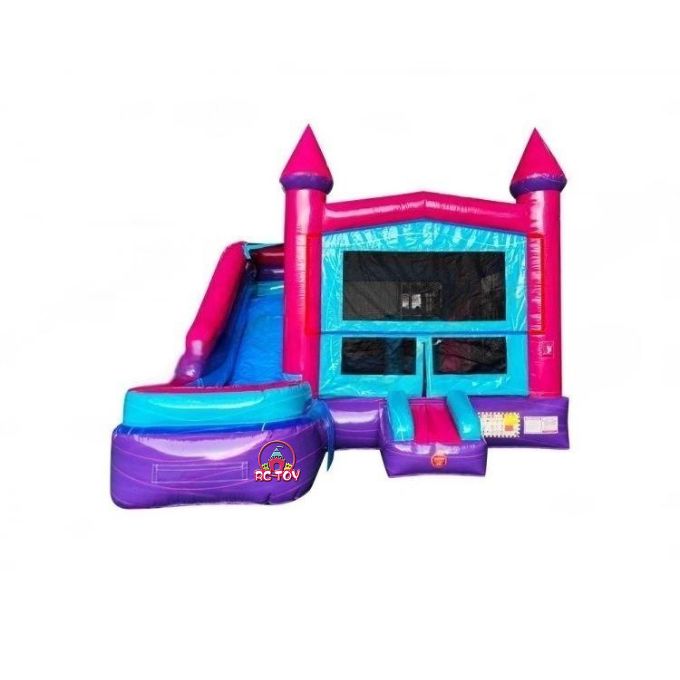
2. Combo Units (The All-in-One)
Combo units are the top choice for rental businesses. They typically include a jumping area, a climbing wall, and a slide. Some even feature basketball hoops inside.
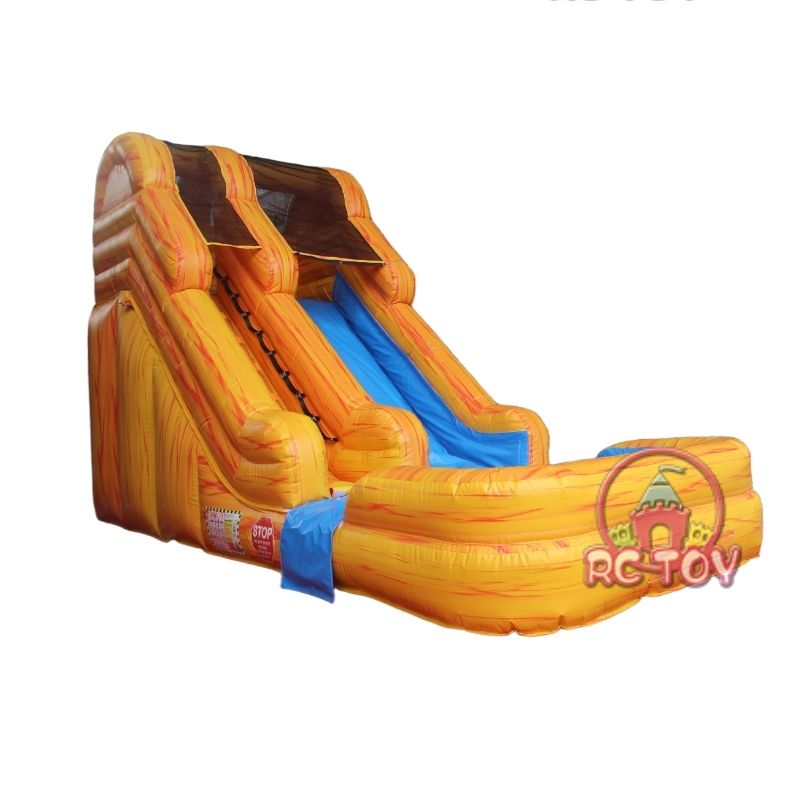
3. Inflatable Water Slides
Perfect for the hot US summers, these units feature a splash pool at the bottom. They are made with specialized waterproof PVC to prevent mold and ensure durability.
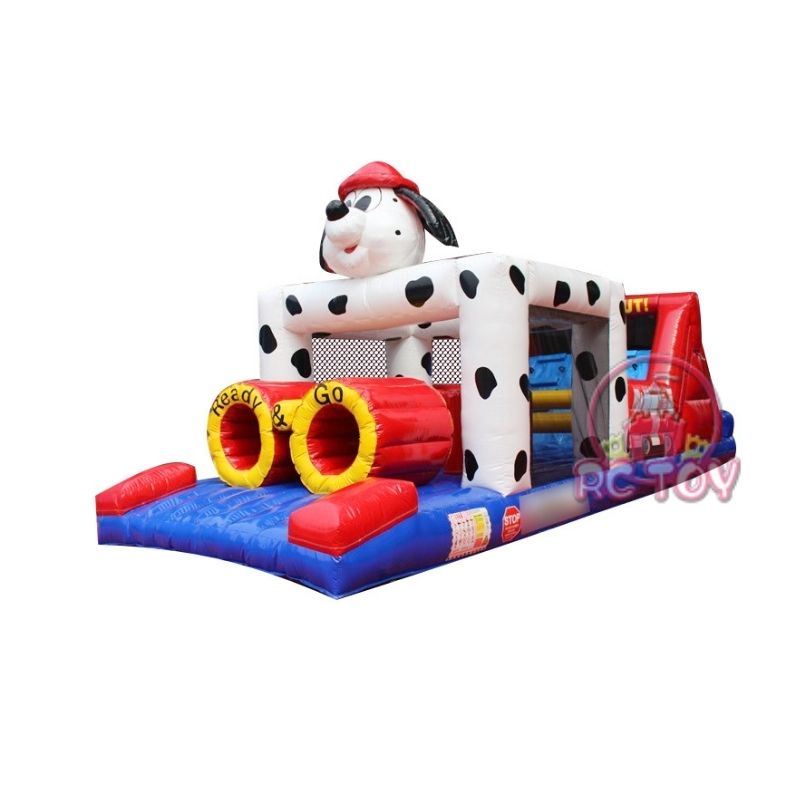
4. Obstacle Courses
These are long, linear inflatables where participants race through tunnels, pop-ups, and slides. They are highly popular for school events and team-building activities.
5. Toddler Inflatables
Smaller, lower-profile units designed specifically for children under five, featuring soft play elements and high-visibility netting for parental supervision.
How to Choose the Right Bounce House: A Buying Guide
If you are importing or buying in bulk, you cannot afford to make a mistake on quality. Here is what to look for:
Commercial Grade vs. Residential Grade
- Residential:Usually made of lightweight nylon or thin polyester. They are meant for 2-3 kids and occasional backyard use.
- Commercial:Made from 18oz (0.55mm) heavy-duty PVC vinyl. These are fire-retardant, lead-free, and designed to withstand daily use by dozens of children. Always choose commercial grade for rental businesses.
Safety Certifications
To sell or operate in the US, your bounce house should comply with:
- ASTM International Standards:Specifically F2374 for inflatable amusement devices.
- UL-Certified Blowers:Ensure the air blowers are UL-listed for US electrical outlets.
- NFPA 701:Fire resistance standards for the material.
Stitching and Reinforcement
Look for double or quadruple stitchingat all stress points. High-quality manufacturers use reinforced "strip" stitching on the seams of the jumping surface to prevent tearing.
Key Advantages of Investing in High-Quality Bounce Houses
- High ROI for Rental Businesses:A commercial bounce house can pay for itself in just 5 to 10 rentals.
- Durability:A well-maintained PVC bouncer can last 5+ years, even with heavy use.
- Brand Customization:When sourcing directly from a manufacturer, you can add your logo, choose custom colors, and create unique themes that stand out in the US market.
- Portability:Despite their size, modern inflatables fold down into manageable rolls for transport in a standard pickup truck or van.
Common Mistakes to Avoid When Sourcing
- Buying Based on Price Alone:Cheap inflatables are often made of "Oxford cloth" (nylon), which tears easily and cannot be repaired effectively. Investing in PVC is cheaper in the long run.
- Ignoring Shipping Costs:Bounce houses are heavy. When importing from overseas, factor in sea freight, customs duties, and "last-mile" delivery to your warehouse.
- Forgetting the Blower:Some sellers list the price without the blower. Always confirm if the blower is included and if it matches US voltage (110V).
- Neglecting the Warranty:Ensure your supplier offers at least a 1-2 year warranty on seams and materials.
FAQ: Frequently Asked Questions
Q1: How long does it take to inflate a commercial bounce house?
Most standard units take between 60 to 90 secondsto fully inflate once the blower is turned on.
Q2: Can I use a bounce house in the rain?
It is not recommended. While the PVC is waterproof, water can seep into the seams. If it gets wet, it must be inflated and dried completely to prevent mold and mildew.
Q3: What is the best material for a bounce house?
For the US market, 0.55mm (18oz) PVC Vinylis the industry standard for commercial durability and safety.
Q4: How do I clean and maintain my inflatable?
Use a mild soap solution or specialized inflatable cleaner. Avoid harsh chemicals. Always ensure the unit is 100% dry before rolling it up for storage.
Ready to Source Your Next Bounce House?
Whether you are looking to buy a single unit or import a container load of inflatables, quality and safety are your top priorities. By choosing the right materials and understanding US regulations, you can build a successful business or provide a safe, fun environment for your community.
Contact us today for a wholesale catalog and a custom quote on our latest commercial-grade bounce houses!